I read this one for my Library Book Club a while ago (I’m ashamed to say how long so bear with me).
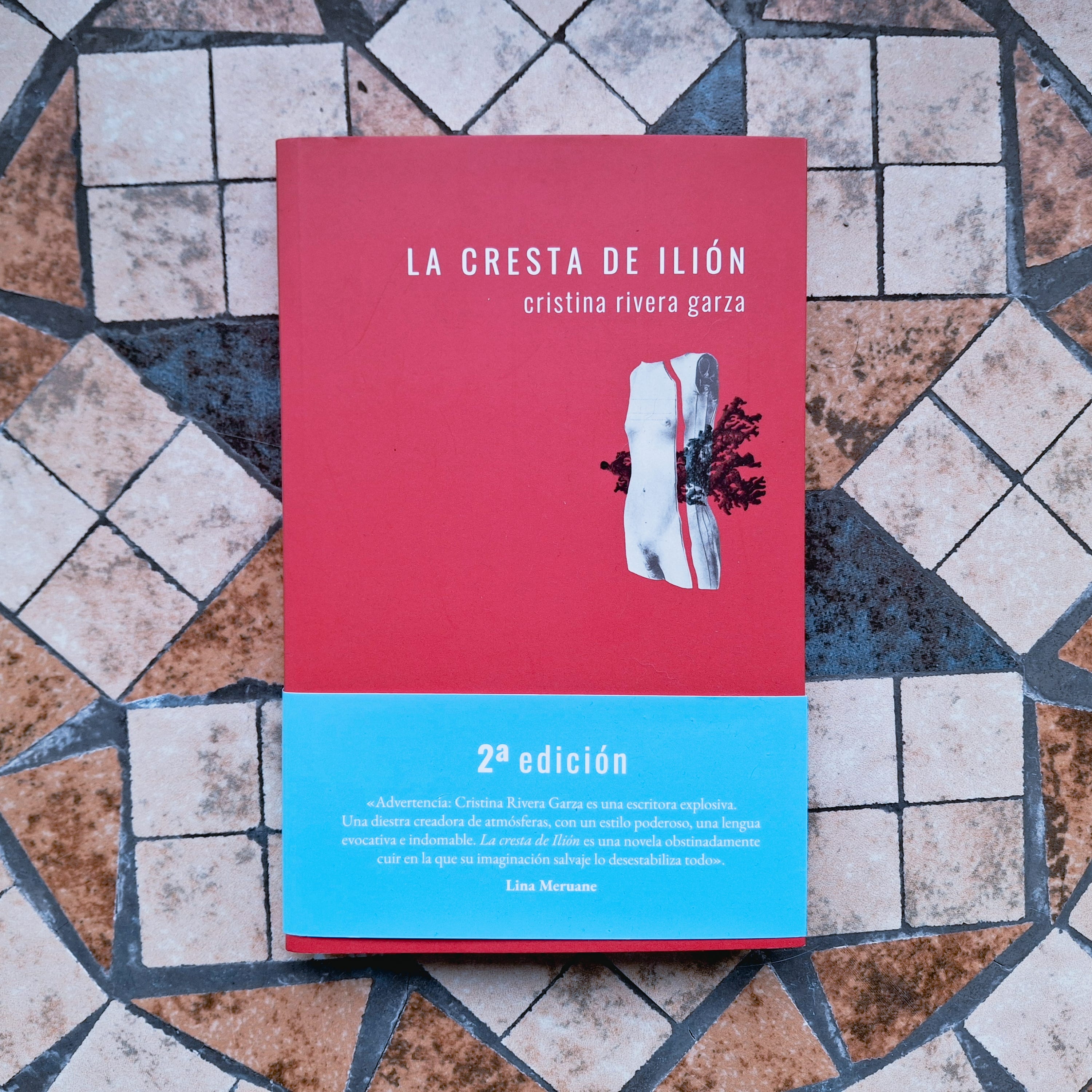
La Cresta de Ilión (The Iliac Crest, in English - this is the actual name for hip bones) is a book by Mexican writer Cristina Rivera Garza, whom I’d never heard of. This is a surreal book that is very hard to summarise, but - we have a first-person narrator, our main protagonist, who is an unnamed man. He is a doctor, lives in a big house on the shore and, on a particularly stormy night, he is waiting for his ex-girlfriend, whom he refers to as La Traicionada (“The Betrayed”), for reasons unknown. Maybe to discuss their relationship.
When he opens the door, however, it is another woman who shows up - one he doesn’t know, who says she is the (real life btw) author Amparo Dávila who has disappeared (not in real life, however - I went to check!), and she barges into his house with no authorisation. He cannot get rid of her.
He is fixated on her very prominent hipbones, not recalling the technical name for them, despite being a doctor. And when La Traicionada arrives, ill, it is “Amparo Dávila” who nurses her back to health - they get super close and seem to gang up against the narrator. They develop their own secret language, and they tell him they know his secret: “Amparo Dávila” confronts the male narrator about it, she accuses him of being a woman.
His understanding of the world breaks apart. What is real, what is not? Who is this woman, and who is he, himself? What is identity? What distinguishes a man from a woman (in a skeleton, it is the name of the bones which he cannot recall, that give their name to this book).
La conciencia de las fronteras geopolíticas pronto conduce a preguntas sobre las muchas líneas que cruzamos—o las que no cruzamos, o las que no tenemos permitido cruzar—, mientras seguimos adelante con nuestra vida diaria. Nuestros cuerpos son llaves que abren sólo ciertas puertas. De hecho nuestros cuerpos hablan y nuestros huesos son nuestro último testimonio.
This is not an historical fiction about Amparo Dávila - this is a surreal, almost dystopic writing that reflects on themes of gender, identity, sexuality, reality, but also violence against women, femicides and the state of politics in Mexico. Cristina’s own sister Liliana is one of many women who disappear every year in Mexico under mysterious, violent circumstances. “Amparo Dávila” is looking for a lost manuscript, as if she is looking for her lost, silenced voice, the same way women were silenced and lost with those disappearances. I think the mention to Amparo Dávila is more of a nod to her horror stories - which I am yet to read, but I already bought an omnibus -, especially with the gothic stormy night, house on the shore against the violence of the sea setting.
This book is a labyrinth, disorienting - we feel it the same way the narrator seems to be living his days after the arrival of both women in his house. I believe this reading experience will be greatly enriched by reading Amparo Dávila.
If you’re in Portugal, you can get a physical edition via wook in Spanish.